

How to plan a Muslim wedding in the UK
A Muslim wedding brings together the Nikah, the marriage contract, and the Walima, the celebration feast, along with joyful evenings of music and henna in the run-up. Customs vary widely across cultures and families, so treat this as a starting point.
This guide walks through the events couples in the UK often include, a sensible order, and how to budget across them. Plan every part in We Do, free.
The events of a Muslim wedding
Depending on family and cultural background, couples often plan for:
- Mangni (engagement), the families formally agree the match and exchange gifts.
- Dholki / Mayoun, evenings of singing and celebration before the wedding.
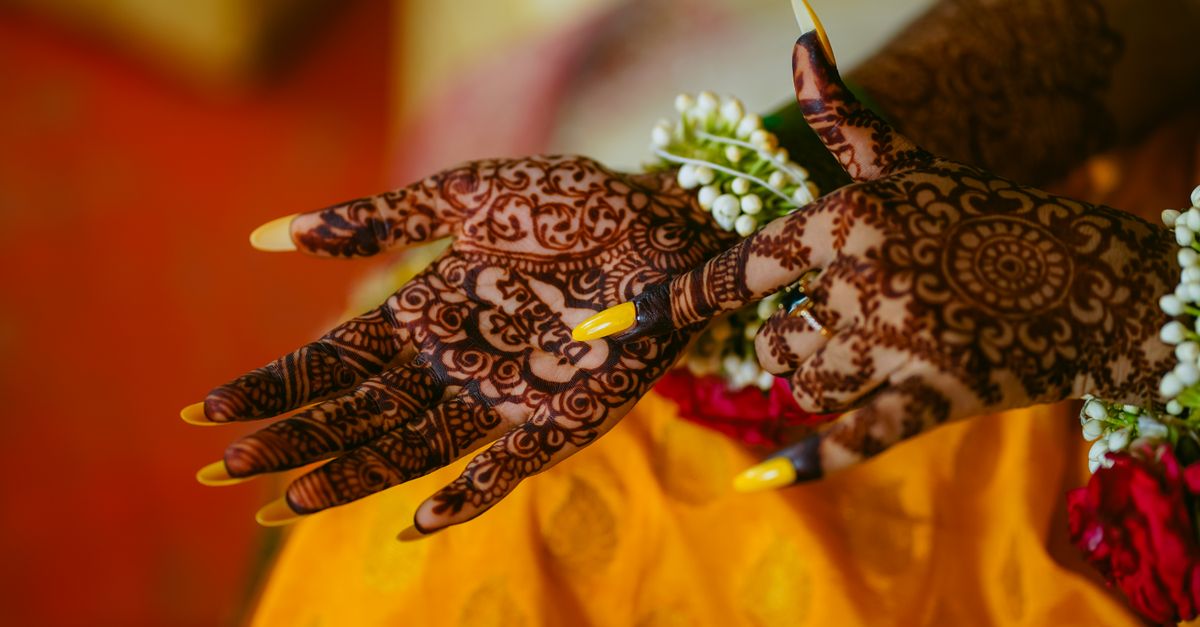
- Mehndi, a henna night for the bride and her guests.
- Nikah, the Islamic marriage contract, with witnesses and the mahr.
- Rukhsati, the bride departs with her husband.
- Walima, the reception feast, traditionally hosted by the groom's family.
The Nikah
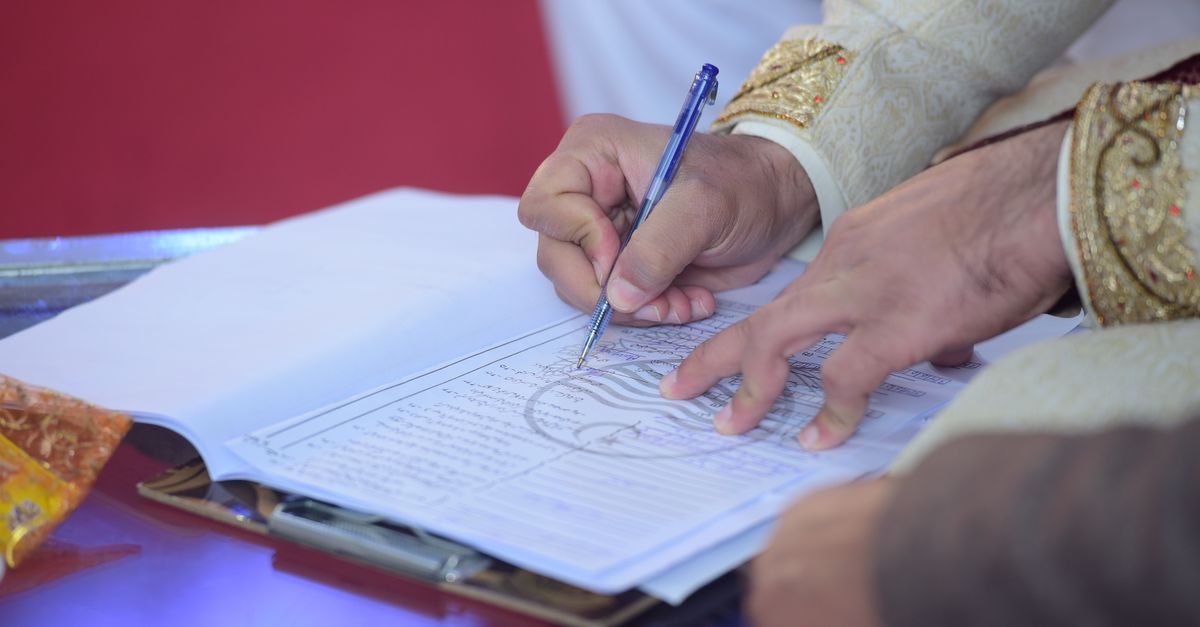
The Nikah is the core religious ceremony. An imam or officiant leads it, the couple give their consent (ijab-o-qubool) before witnesses, the mahr (a gift to the bride) is agreed, and the nikah-nama is signed. It can take place at a mosque or a venue.
Keep the ceremony's requirements front of mind when choosing a venue and caterer: halal catering is usual, and some families prefer arrangements that suit their guests. We Do lets you capture dietary needs so the numbers reach your caterer accurately.
A typical running order
Order varies by family, but a common shape is:
- The week before: Dholki and Mehndi evenings.
- Wedding day: the Nikah, then the Rukhsati.
- Soon after: the Walima, the largest feast and guest list.
How far ahead to plan
Book your venue and caterer early, especially for larger guest counts, then photography and decor. A rough timeline: venue 10 to 12 months out, catering and photography soon after, outfits and invitations around 6 months, and final numbers in the last month. Planning the Nikah and Walima as separate budgets keeps things clear.
Common questions
What is the Nikah?
The Nikah is the Islamic marriage contract. The couple give consent before witnesses, the mahr is agreed, and the nikah-nama is signed, led by an imam or officiant at a mosque or venue.
What is the mahr?
The mahr is a gift given by the groom to the bride as part of the marriage contract. Its form and value are agreed between the families.
What is the difference between the Nikah and the Walima?
The Nikah is the marriage contract and ceremony; the Walima is the celebration feast that follows, traditionally hosted by the groom's family.
How much does a Muslim wedding cost in the UK?
It depends most on guest numbers and how many events you host. Budgeting per event, rather than one lump sum, is the clearest way to stay in control.
Ready to start?
Plan every event, guest and tradition in one calm place. Free to start, no credit card.
Start planning, free