

How to plan a Hindu wedding in the UK
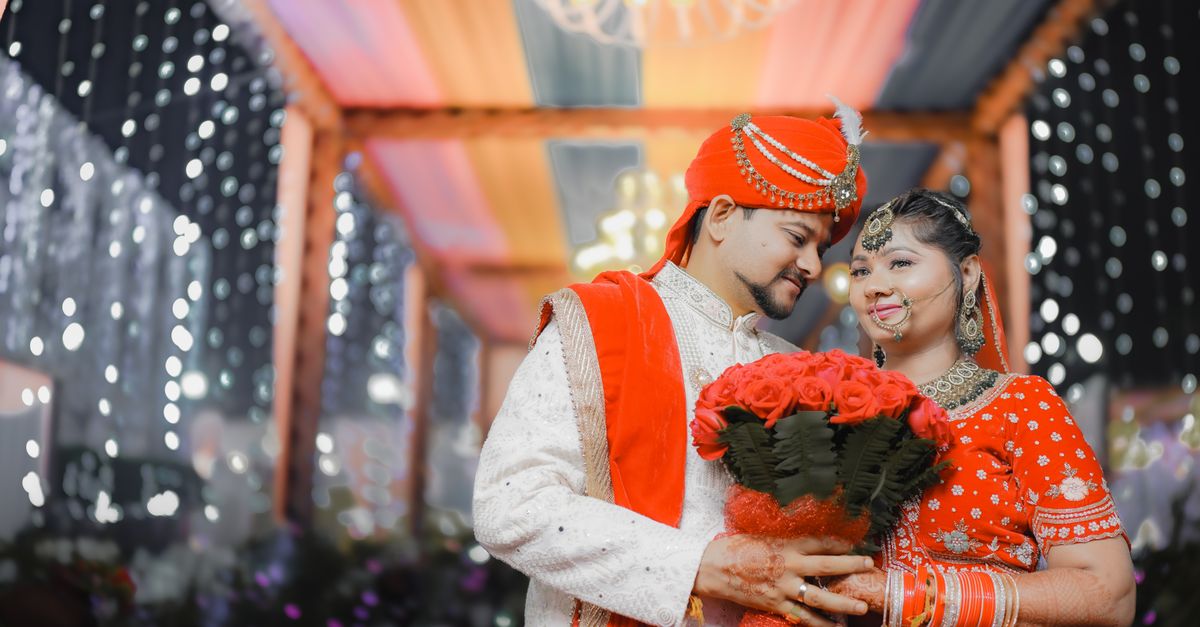
A Hindu wedding is rarely a single day. It is a series of celebrations, each with its own mood, guest list and meaning, spread over a long weekend or more. That is what makes it joyful, and what makes it a lot to plan.
This guide walks through the events couples in the UK usually include, a sensible running order, how far ahead to start, and how to budget when there are several celebrations rather than one. You can plan every part of it, free, in We Do.
The events of a Hindu wedding
Not every wedding includes every event, and regional and family traditions vary. These are the celebrations couples most often plan for:
- Roka / Sagai, the formal engagement, where the two families commit to the match.
- Ganesh Puja / Griha Shanti, prayers to Lord Ganesh to begin the proceedings auspiciously.
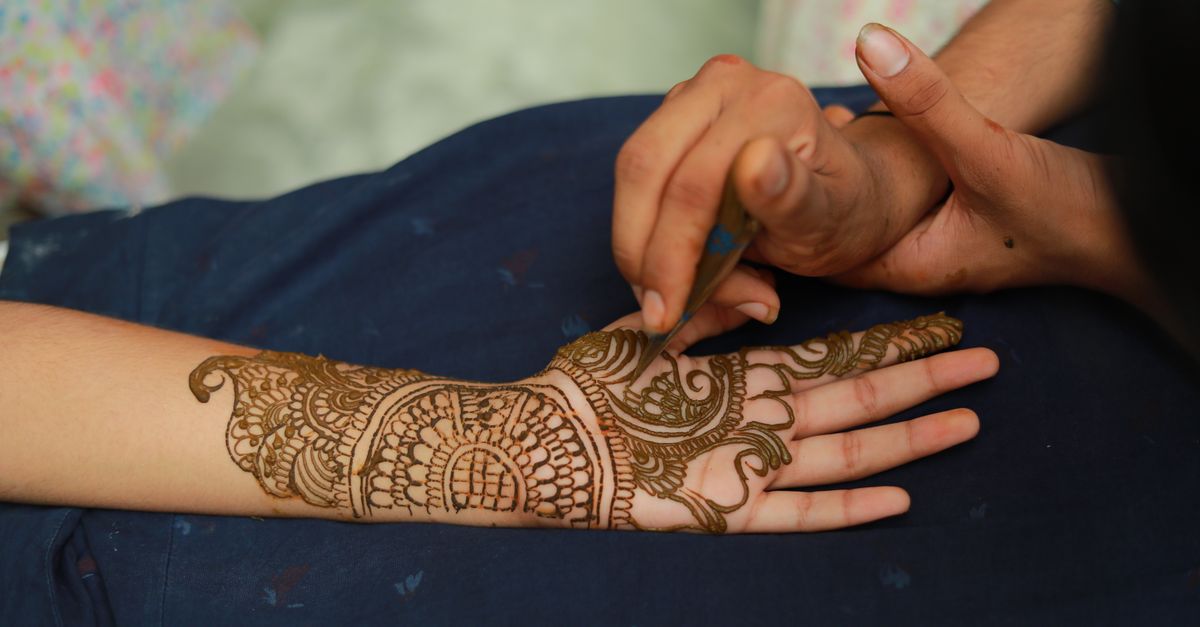
- Mehndi, henna is applied to the bride and her guests the evening before.
- Haldi, a turmeric paste is blessed onto the couple for good luck and glowing skin.
- Sangeet, an evening of music, dance and performances from both families.
- The Mandap ceremony, called the Vivah, the wedding itself, which opens with the groom's baraat procession and moves to the sacred rites at the mandap.
- Vidaai, the bride's emotional farewell as she leaves with her new family.
- Reception, the evening celebration and dinner, often the largest guest list of all.
A typical running order
Most couples cluster the celebrations across a Friday to Sunday, building towards the Mandap ceremony as the anchor day. A common shape looks like this:
- Weeks or months before: Roka and Ganesh Puja, often smaller and family-only.
- Friday: Mehndi at home or a relaxed venue, an intimate evening.
- Saturday morning: Haldi, then the baraat and the Mandap ceremony.
- Saturday evening: the reception, the biggest party of the weekend.
- Sunday: Vidaai, and sometimes a farewell brunch.
The baraat and the ceremony
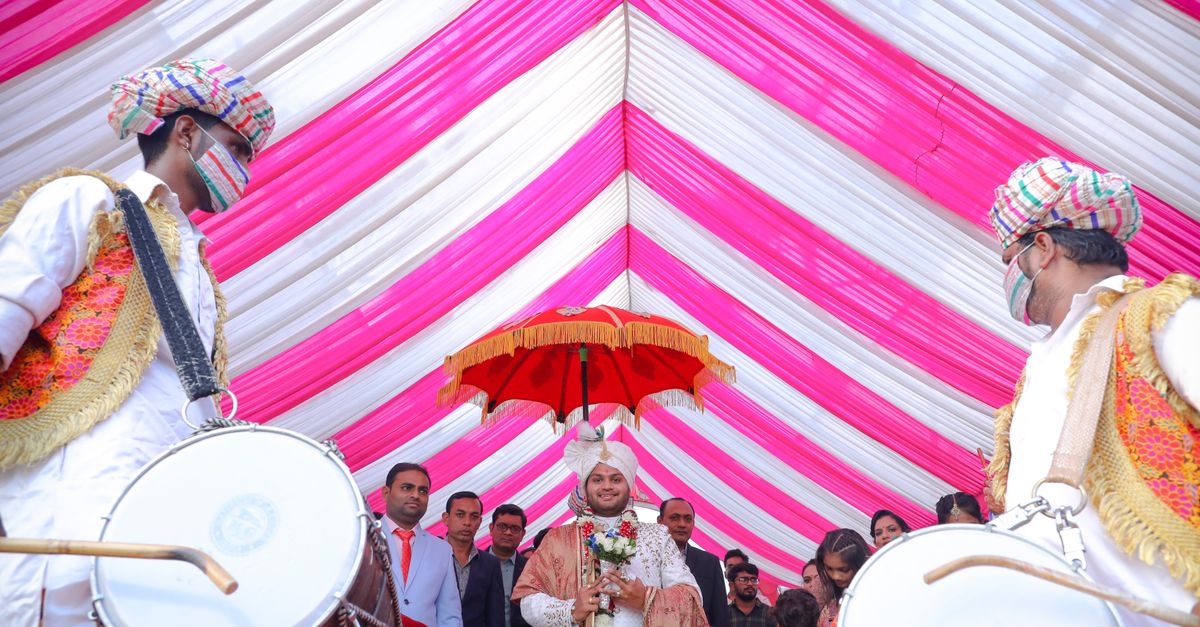
The baraat is the groom's procession to the venue, with dhol, dancing and family, where he is welcomed by the bride's side. It flows straight into the ceremony, so in We Do we plan the baraat as part of the ceremony day rather than a separate event.
The Mandap ceremony itself takes place beneath the mandap and includes the key rites, from the exchange of garlands to the pheras around the sacred fire. Timings run long, so build in generous slots and share a running order with your families.
How far ahead to plan
With several celebrations to arrange, the venues and the suppliers who cover multi-day weddings get booked up early. A rough timeline:
- 10 to 12 months out: shortlist and book your main venue, then photography and catering.
- 6 to 8 months out: send save-the-dates, book decor, outfits and entertainment.
- 3 months out: finalise the guest list per event and confirm numbers.
- The month before: seating plans for each event and a shared day-of running order.
Budgeting across several days
The trick with a multi-event wedding is to budget per event, then let those add up to your total, rather than guessing one big number. A mehndi at home and a 250-guest reception sit at very different price points, and planning them separately keeps the surprises out.
In We Do, each event carries its own budget grounded in real UK costs, and your planner rolls them into one figure so you always know where you stand.
Making it yours
None of this is fixed. Blend traditions for a fusion wedding, drop the events that are not for you, or add your own. The point is a celebration that looks like yours, with the admin quietly handled in the background.
Common questions
How many events are in a Hindu wedding?
It varies by family and region, but couples in the UK often plan around six to eight: Roka, Ganesh Puja, Mehndi, Haldi, Sangeet, the Mandap ceremony (with the baraat), Vidaai and a reception. You can include as many or as few as you like.
What is the baraat?
The baraat is the groom's procession to the wedding venue, with music and dancing, where he is welcomed by the bride's family. It leads straight into the Mandap ceremony, so it is best planned as part of the ceremony day.
How long does a Hindu wedding last?
The celebrations usually span a long weekend, from a Friday mehndi to a Sunday vidaai, though smaller events like the Roka may happen weeks earlier.
How much does a Hindu wedding cost in the UK?
It depends heavily on guest numbers and how many events you host. Budgeting per event, rather than as one lump sum, is the clearest way to stay in control. We Do gives each event its own budget grounded in UK costs.
Ready to start?
Plan every event, guest and tradition in one calm place. Free to start, no credit card.
Start planning, free